|
|
Recommended learning time: 17 minutes a day.
Any time, anywhere, on any device. For bilingual relationships, to communicate with relatives and for travelling. |
|
|
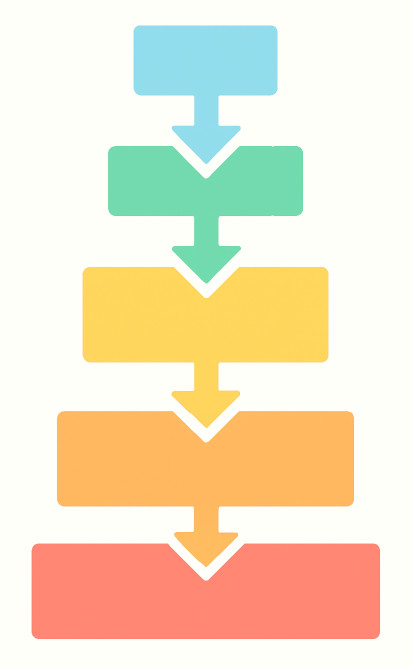
The long-term memory method brings each Tunisian Arabic word back just before you would forget it – after 2, 4, 8 and 16 days. If you still know it, it stays. If not, it goes back into the loop.
|
|
|
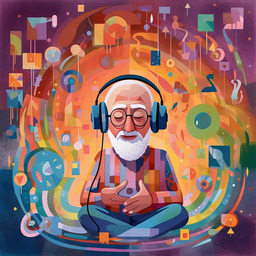
Superlearning music: calm background music that helps you relax and focus. With it, you learn 30.2% faster. You can switch it off at any time.
|
|
|
You don't need a study plan:
Every day the course puts the right exercises in front of you. You open it, do your 17 minutes, and your Tunisian Arabic improves a little every day. |
|
|
Dialogues, multiple-choice exercises, the verb trainer and the sentence construction trainer: the variety keeps your daily Tunisian Arabic lesson fresh. That makes it easier to come back tomorrow.
|
 Free Tunisian Arabic trial:




17 Minute Languages |
Other providers | |
|---|---|---|
| Long-term memory method: words that stick |
||
| Daily trainer: your lesson is ready every day |
||
| Superlearning music: calm background music to help you focus |
||
| Audio trainer: learn without a screen |
||
| Sound quality of words and texts |
Recorded in our studio by native speakers |
Often computer-generated voices |
| Payment | One-off payment, no subscription |
Often a monthly subscription |
















|
|
|
|












|
At the heart of every language are the verbs. You will begin with the most frequently used verbs and all their conjugated forms. When you recognise and form verbs correctly, you have already learned the most important part of grammar and can now form meaningful sentences. |
| to have | عند |
| I have | عندي |
| you have | عندك / عندك |
| he has | عنده |
| we have | عندنا |
| you have | عندكو |
| they have | عندهم |
| to be | كانَ |
| I am | أكونُ |
| you are | تَكونينَ / تَكونُ |
| he is | يَكونُ |
| we are | نَكونُ |
| you are | تَكُنَّ / تَكونونَ |
| they are | يَكُنّ / يَكونونَ |
| to go | ذهب |
| I go | أذهب |
| you go | تذهبين / تذهب |
| he goes | يذهب |
| we go | نذهب |
| you go | تذهبن / تذهبون |
| they go | يذهبن / يذهبون |
| I do | أفعل |
| you do | تفعلين / تفعل |
| he does | يفعل |
| we do | نفعل |
| you do | تفعلنّ / تفعلون |
| they do | يفعلنّ / يفعلون |
| I was | أَفْعُلُ |
| you were | تَيْكُنِينَ / تَيْكُنُ |
| he was | .يَيْكُنُ |
| we were | نَيْكُنُ |
| you were | تَيْكُنْنَ / تَفْعُلُونَ |
| they were | يَيْكُنْنَ / يَيْكُنُونَ |
| I went | أَفْعُلُ |
| you went | تَفْعُلُ |
| he went | يَفْعُلُ |
| we went | نَفْعُلُ |
| you went | تَدْهُبْنَ / تَدْهُبُونَ |
| they went | يَدْهُبْنَ / يَدْهُبُونَ |
| I did | أَفْعُلُ |
| you did | تَفْعُلِينَ تَفْعُلُ |
| he did | يَفْعُلُ |
| we did | نَفْعُلُ |
| you did | تَفْعُلْنَ / تَفْعُلُونَ |
| they did | يَفْعُلْن / يَفْعُلُونَ |
| I will have | سوف عندي |
| you will have | سوف عندك / عندك |
| he will have | سوف عنده |
| we will have | سوف عندنا |
| you will have | سوف عندكو |
| they will have | سوف عندهم |
| I will be | سوف أكونُ |
| you will be | سوف تَكونينَ / تَكونُ |
| he will be | سوف يَكونُ |
| we will be | سوف نَكونُ |
| you will be | سوف تَكُنَّ / تَكونونَ |
| they will be | سوف يَكُنّ / يَكونونَ |
| I will go | سوف أذهب |
| you will go | سوف تذهبين / تذهب |
| he will go | سوف يذهب |
| we will go | سوف نذهب |
| you will go | سوف تذهبن / تذهبون |
| they will go | سوف يذهبن / يذهبون |
| I will do | سوف أفعل |
| you will do | سوف تفعلين / تفعل |
| he will do | سوف يفعل |
| we will do | سوف نفعل |
| you will do | سوف تفعلنّ / تفعلون |
| they will do | سوف يفعلنّ / يفعلون |


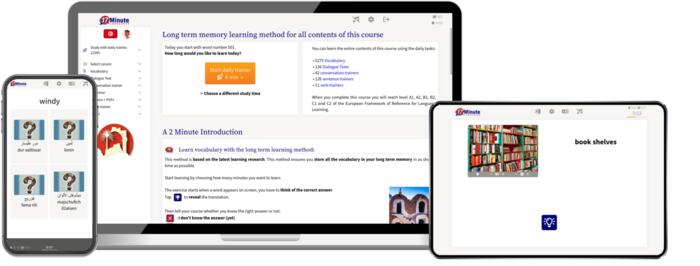
Practice Tunisian Arabic in the morning on the train using your iPhone or Android smartphone.
| |
You can pick up where you left off during your lunch break on your laptop, using Windows, Linux or on a Mac.
| |
In the evenings, you can kick back in your favourite spot and learn while you relax, whether it's on your iPad, Windows or Android tablet.
|
|
| ...when doing physical activity or riding a bike |
|
| ...while driving |
|
| ...while sitting comfortably on the sofa at home |
|
| ...on the train or bus |
|
| ...in between breaks or waiting periods |